My placement at NEXT
7 May 2026
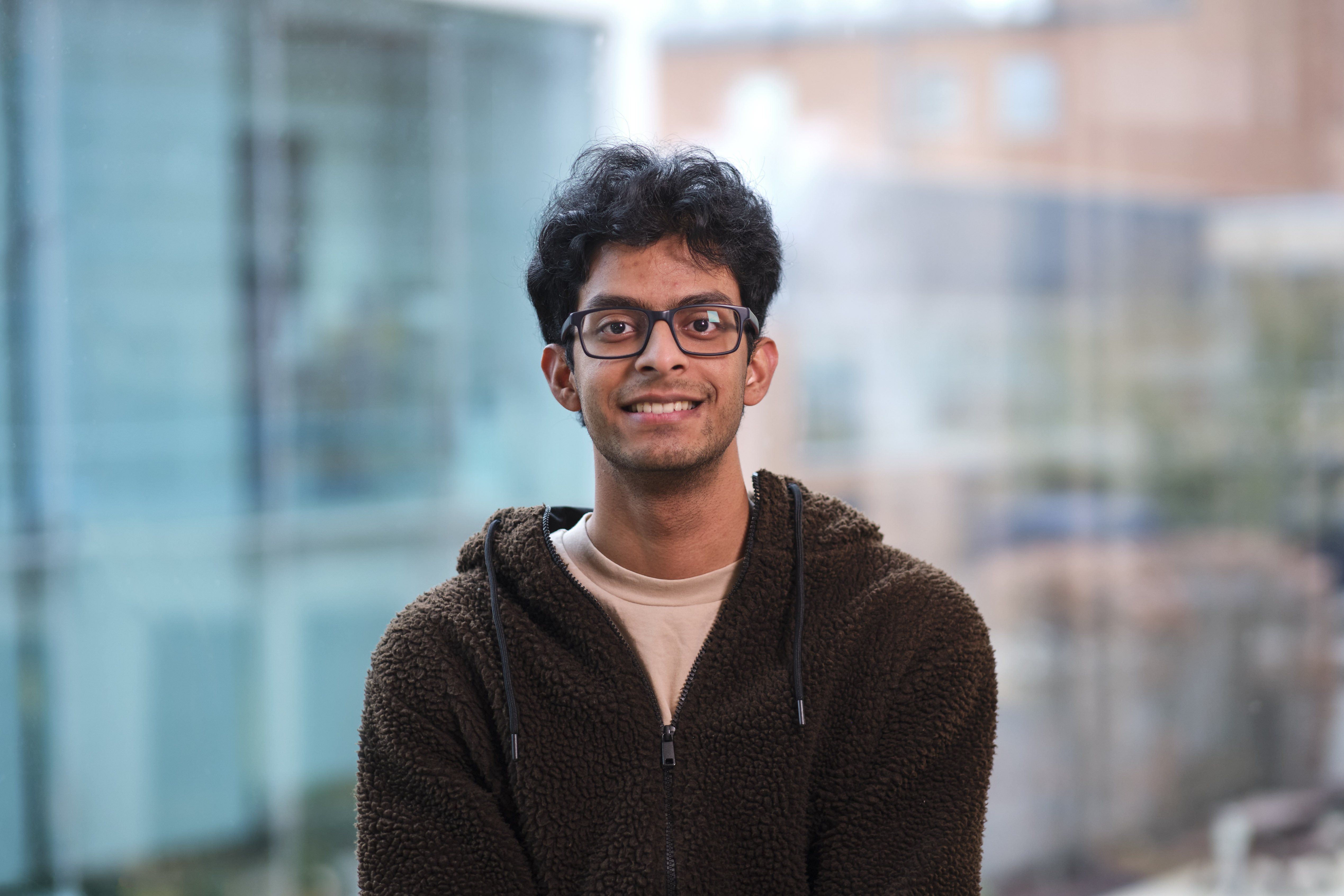
As my placement at Next comes to a close, I'd like to take this opportunity to share some of my discoveries and observations throughout my time working for a FTSE 100 clothing retailer.
My placement at the Next Head Office began in July 2025, ending in May 2026, and I was placed in a Finance Technology team which maintains a plethora of internal applications for partners and suppliers that interact with Next, and use our tools. It's been an enriching and eye-opening experience to working in a large organisation, as opposed to working on small projects with other students at University.
Throughout my placement, I was based in their Head Office (in Enderby), which houses ~3000 employees. Initially arriving at the office I was pleasantly surprised by how substantial the tech presence is at the company, with whole buildings on the office campus dedicated to technical teams and collaboration. Working within the Finance Systems team, I was involved in several different initiatives, addressing technical debt, and automating business processes to save time and improve efficiency.
Initial objectives
Before beginning my placement, my primary motivation for doing a placement at all, irrespective of where I went, was to develop core soft skills like working in corporate teams, collaborating on projects that aren't just solely technical. During my time at Next, I've been exposed to several scenarios, forcing me to develop these soft skills, having to present ideas and break down large problems with colleagues, whether that be ideating ways to improve how we handle logging within our applications, or cherry-pick issues within user stories for poorly defined objectives or goals.
I also was assigned several objectives when first joining the team by my manager, which included deepening my understanding of business processes, and the overall context of what I'm working on, as well as demonstrating core behaviours and competencies of a developer on the team. Another objective assigned to me was to ensure that a level of performance checks are performed against all development so that we can always maintain or improve the performance of systems.
Working in a team
One example of where I've had to develop my communication and collaboration skills on placement is within our daily stand-ups. Every morning, as a team, we would get together (whether that be in-person or online), and discuss what we've been working on, what we plan to work on, and any blockers or questions we have for other members of the team. This opportunity to touch base with the team allowed us to ensure we were constantly aligned with one another and were aware of what everyone was working on. It allowed me to develop the ability to be concise yet accurate, saying what I have to say to provide the most valuable information to my team without taking value away from the meeting.
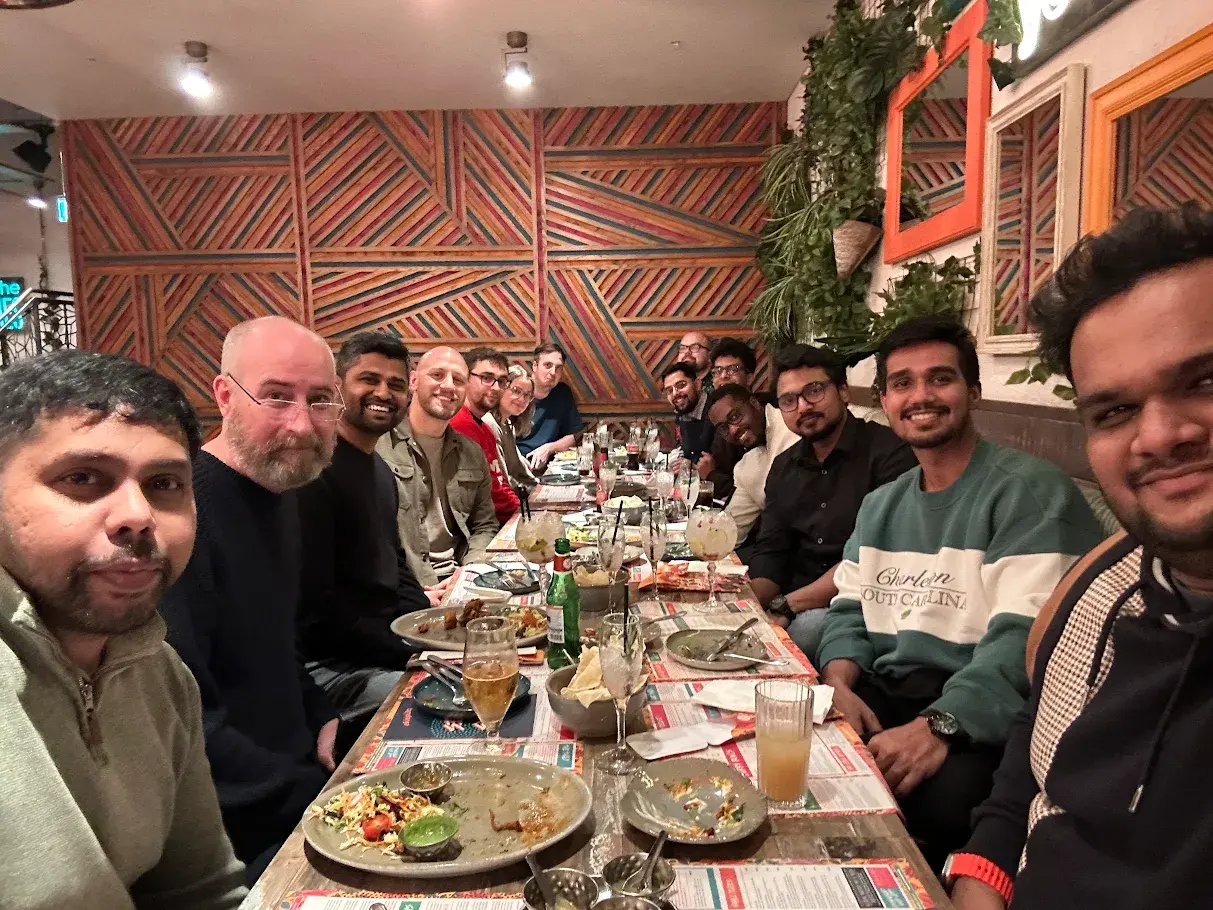
These skills were further put to use and pushed further in our weekly sprint planning and retrospective meetings, where we had a more deeper reflection on how the previous sprint went, discussing challenges we faced, things that went well, and our goals for future sprints.
Shifting into industry
Initially arriving at Next, I was unsure of how different applications interacted with one another, as well as being bombarded with several different business acronyms and terms. Over the following months, I slowly grasped these concepts by asking questions and being inquisitive, unafraid to reach out to members of my team whenever I was unsure about something in order to improve my understanding, so that when I was exposed to that concept or idea in the future, I could take a more holistic approach to my work.
Working in sprints was a new concept to me. I was exposed to Agile practices from some of my lectures at University, but working in a corporate setting with Azure DevOps as well as other internal developer tools really solidified core practices that keep the business moving.
After being exposed to working in sprints and assigning weights and priorities to different tasks, this is something I have adopted for my personal and projects already, using GitHub project boards to track work that needs to be done, and using t-shirt sizing conventions and assigning priorities to have better visibility of what needs to be done and when it should be done.
Bringing a fresh perspective
As part of my work on a larger project, I was originally using an exposed API endpoint to manually test individual data points one-by-one to ensure that they were valid, through individual API calls. This made testing very troublesome and mundane, and each request made to the API would fetch every single record from the database and then filter and validate the coding server-side to see if it was valid, which was horribly inefficient. I took the initiative to dive into the application code of the API itself, and managed to find areas to significantly improve performance, by caching the results of database calls and allowing batch queries to be made. This sped up our querying process by nearly 6x, allowing us to process and validate different account codings a lot faster - something that would be incredibly useful for future tests.
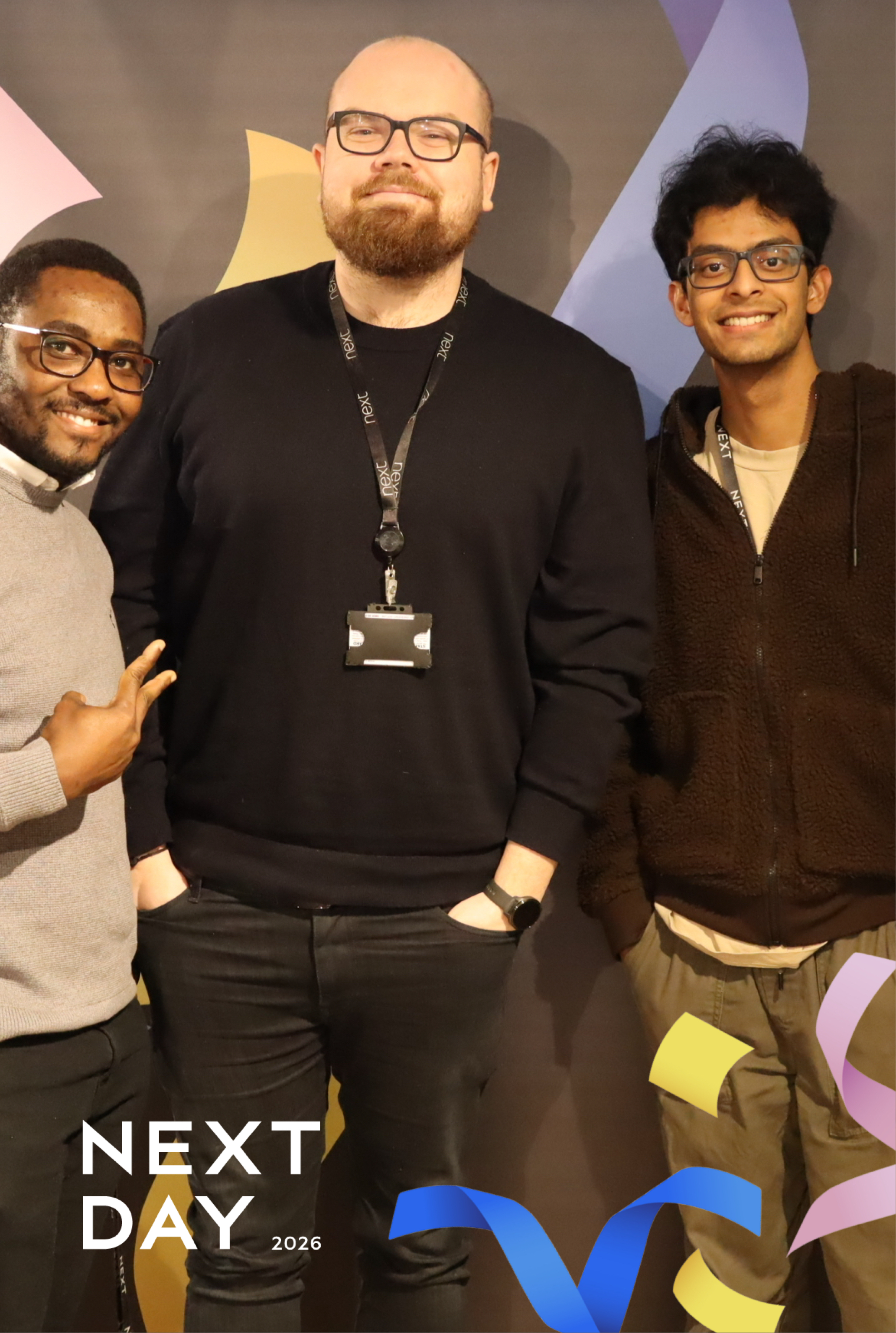
Another initiative I took later into my placement was creating Python scripts to automate repetitive tasks. As mentioned above, we use Azure DevOps to manage user stories and work items which developers can pick up and work on. We had a large backlog of tech debt that needed to have user stories scripted, and when I saw them being created one-by-one, I thought that there must be a better way to do this, so that the team's time could be freed up for more complex tasks. I decided to dig into the Azure DevOps REST API in my free time, and discovered several endpoints to create work items programmatically. I wrote up a script which ingested a CSV file of applications, and then automated the process of creating hundreds of user stories, cutting more than 30 hours of repetitive manual work from recurring processes. This script is also something that has been repurposed for other types of user story creation already, and can lead to substantial performance boosts in the long-term.
Potential next steps
I'd like to think that most of my goals that I initially set out to achieve have been hit throughout my placement. Some areas where I think I could've developed further skills is in presenting, as well as designing new projects from the ground up. Working at Next, I had plentiful opportunities to work on existing projects, fixing bugs and addressing technical debt, performing technical migrations for several packages, and digging through logs for different applications to debug and identify production issues.
Conclusion
Overall, following my placement, I would highly recommend (if possible) doing a placement to every student if you have the opportunity to, even if you're planning on going into academia after graduating. It's an incredibly enriching experience to work with people both within and outside of technology, and you'll meet a wide variety of different people throughout your time in industry. You'll also develop a huge amount of soft skills that you just can't get out of lectures and tutorials alone - something I can definitely say I've been able to do during my months at Next through working cross-functionally across several domains and areas of the business.